Cobalt Mines
Cobalt is a hard lustrous bluish gray metal, the chemical element with symbol Co and atomic number 27. In ores, it exists only in a chemically combined form, so it is typically a by-product of copper and nickel mining The global cobalt production is dominated by the Copperbelt in the Democratic Republic of the Congo (DRC) and Zambia. The free element is produced by reductive smelting.
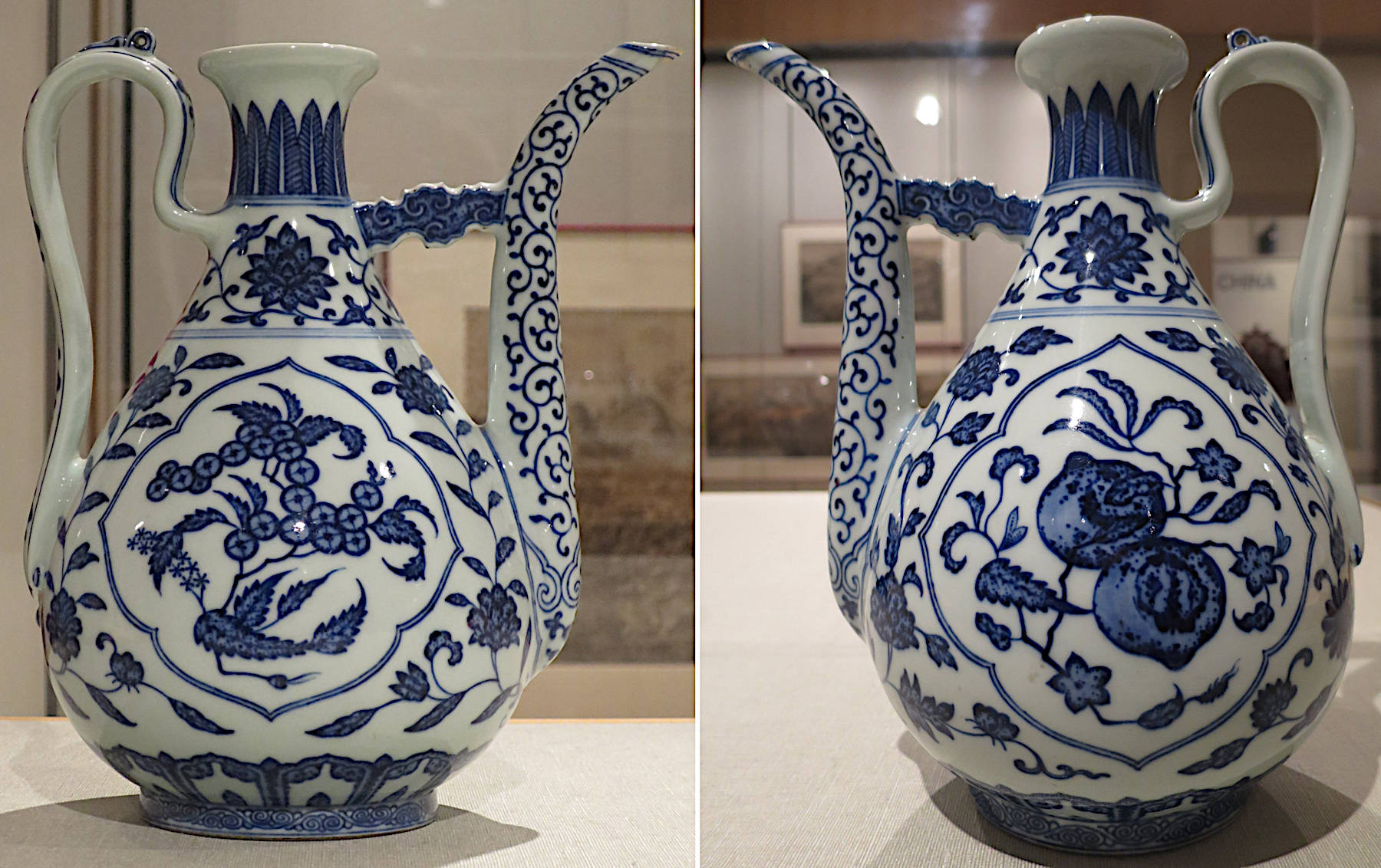
There are several legends about the origin of the word "cobalt". One takes place in the Ore Mountains, where the polymetallic vein deposits mainly contain silver, but also many other metals, including cobalt. From the middle of the 16th century, silver mining declined sharply as the silver content in the ore decreased with depth. At the same time a similar-looking ore increased significantly in Schneeberg and Annaberg, which was called Silberräuber ("silver robber"), Scheißerz ("shit ore") or "Kobolt". The name silver robber was derived from the fact that even with the greatest effort, no silver could be extracted from the ore; it was assumed that the new ore had displaced the silver. The name Kobolt or Kobold refers to the legendary figure of a small nature spirit who likes to play mean jokes. When it was discovered that cobalt could be used to produce a blue pigment, cobalt blue, cobalt suddenly became valuable. In 1622, the mines of the "Schneeberg cobalt field" supplied cobalt ore worth 39,414 guilders to the smelter, but only silver ore worth 450 guilders. Cobalt blue was so valuable because it was actually the first blue pigment that could be produced on a large scale. It was also lightfast and heat-resistant, and could be used in painting and in the manufacture of glass and porcelain.
In the 20th century, cobalt was needed for alloys with special properties, such as turbine blades for gas turbines and aircraft engines. It is also used in permanent magnets. Since the 1990s, cobalt has been used in accumulators, primarily for mobile applications. The well-known lithium-ion rechargeable batteries achieve a particularly high energy density thanks to cobalt. For this reason, some people assume that there will be a shortage of cobalt in the near future.
- Examples
 Schaubergwerk Leogang, Austria
- Erzweg Zinkwand, Austria
- St. Anna am Freudenstein, Germany
- Frisch Glück Glöckl, Germany
- Markus-Röhling-Stolln, Germany
- Fundgrube Weißer Hirsch, Germany
- Musée de la mine et des traditions populaires d’Escaudain, France
- Chevalement du Vieux II, France
- Blaafarveværket, Norway
- Koppartorp, Sweden
- Loos Koboltgruva, Sweden
- See also
 Search DuckDuckGo for "Cobalt Mines"
 Cobalt - Wikipedia (visited: 26-NOV-2025)
 Geo explainer: Why is cobalt mining so controversial? (visited: 26-NOV-2025)
- The Largest Cobalt Mining Companies In The World, And What They Do (visited: 26-NOV-2025)
- The world’s ten largest cobalt mines (visited: 26-NOV-2025)
- Cobalt is in demand, so why did America’s only cobalt mine close? (visited: 26-NOV-2025)

 Index
Index Topics
 Hierarchical
 Countries
 Maps
Maps