Muntanya de Sal a Cardona
Salt Mountain of Cardona
Useful Information

| Location: |
Carr. de la Mina, 6, 08261 Cardona.
Motorway C-58, exit Terrassa-Manresa, NII to Manresa, exit 132, C-55 to Cardona. From Barcelona motorway A-18 north, C-25 west, C-55 north again. (41.9057950, 1.6739074) |
| Open: |
All year Tue-Fri 10-13:30, Sat, Sun, Hol 10-16:30. GeoTok: All year Sat, Sun, Hol. [2026] |
| Fee: |
Adults EUR 12.75, Children (12-16) EUR 12, Children (5-11) EUR 6, Children (2-4) EUR 3, , Children (0-1) free, Seniors EUR 10.25. GeoTok: Adults EUR 14, Children (5-11) EUR 8, Children (2-4) EUR 4, Seniors EUR 12. [2026] |
| Classification: |
 Salt Mine Salt Mine
|
| Light: |
 Electric Light Electric Light
|
| Dimension: | T=18 °C. |
| Guided tours: |
D=1 h, L=500 m, VR=86 m.


|
| Photography: | allowed only in the Sistine Chapel |
| Accessibility: | yes |
| Bibliography: | |
| Address: |
Muntanya de Sal, Carr. de la Mina, 6, 08261 Cardona, Tel: +34-938-692-475.
E-mail: Oficina de Turisme (Tourism Office of Cardona), Carrer de la Fira, 1, 08261 Cardona, Tel: 93-869-2798. E-mail: Sal de Cardona. E-mail: |
| As far as we know this information was accurate when it was published (see years in brackets), but may have changed since then. Please check rates and details directly with the companies in question if you need more recent info. |
|
Sal Roja De Cardona, S.L., Carretera De La Mina, S/N, 08261 Cardona, Tel: +34-93869-2475 (reservations), +34-93869-2051 (administraton), Fax: +34-93869-2701. E-mail:
History
| 6,500 BP | salt mining starts in the middle neolithic. |
| 1929 | Mina Nieves de Cardona opened. |
| 1990 | Mina Nieves de Cardona closed. |
| 1997 | show mine opened to the public. |
Geology
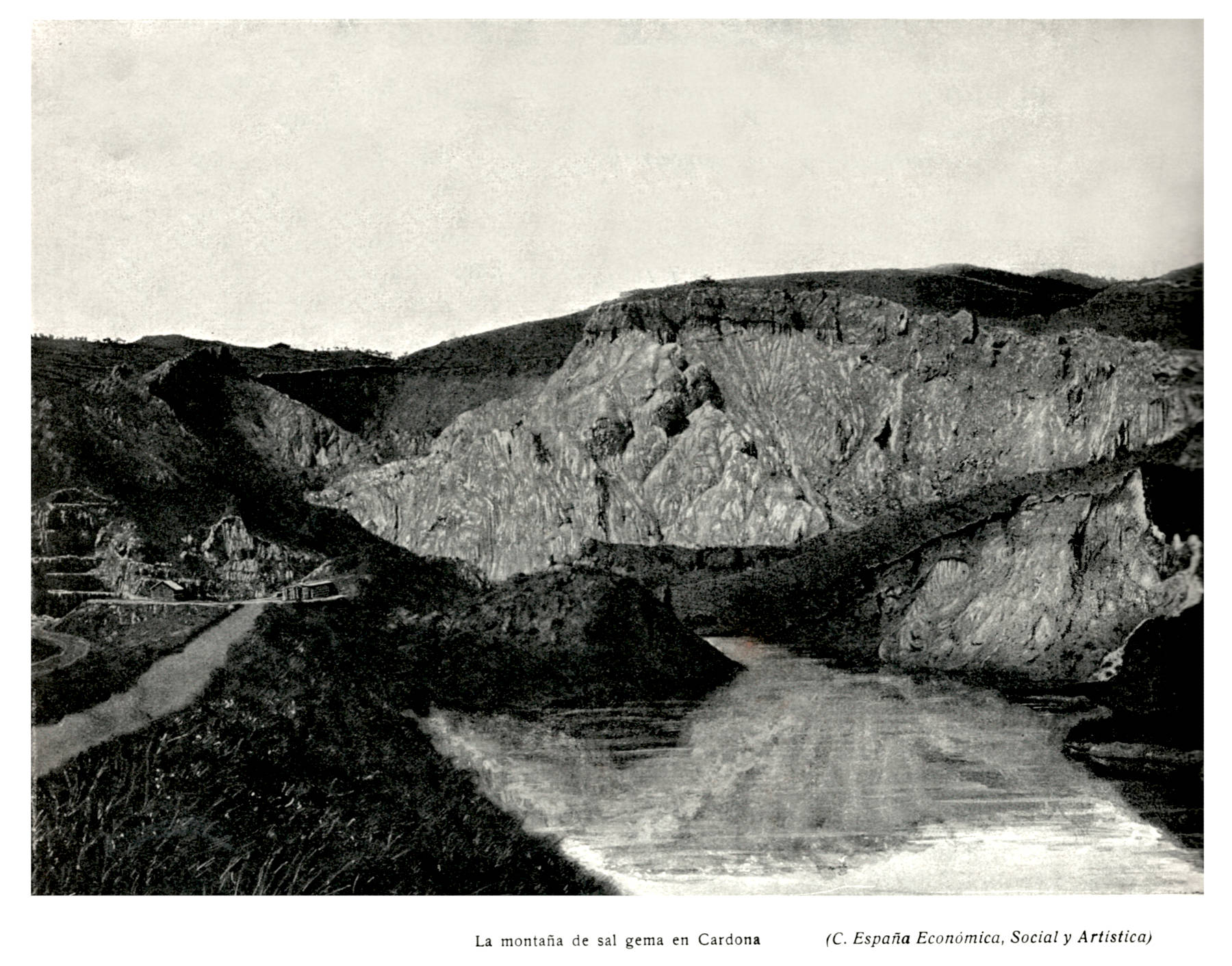
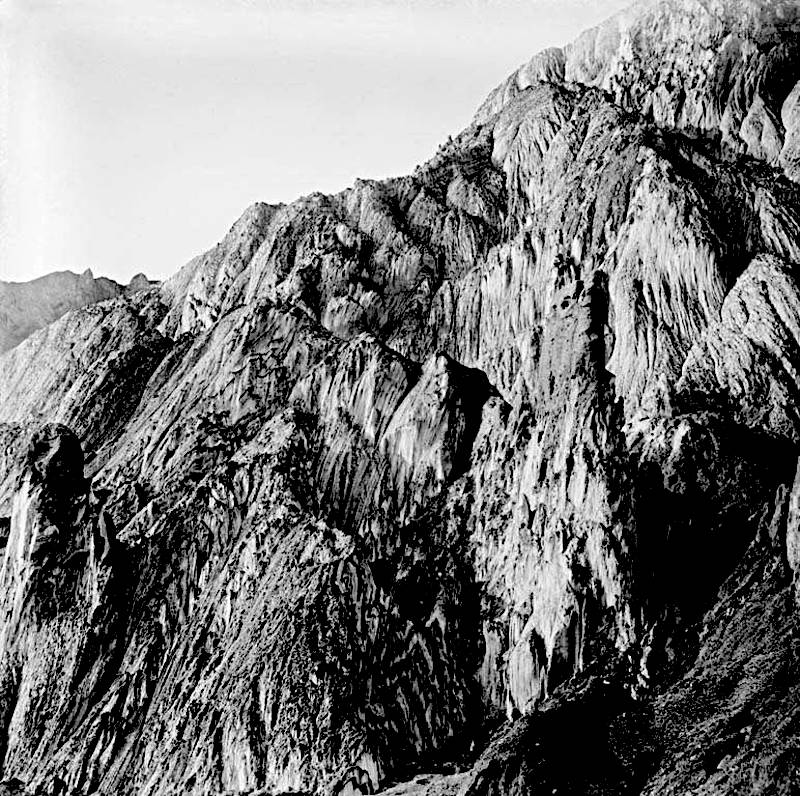
Salt is a sedimentary rock formed by evaporation and easily dissolved by water, actually there is no need for other substances, water is able to dissolve salt easily until it contains 33 % salt, which is a lot. As a result salt deposits reaching the surface are immediately dissolved by meteoric water, in humid climates even before it reaches the surface, because it is dissolved by the groundwater. As a result there are actually only two places in Europe where you can find salt at the surface and one is here at Cardona. A huge diapir formed by salt which was slowly moving upwards to the surface. This is quite typical as salt starts to flow slowly under pressure and temperature. And salt is lighter, it has a lower specific gravity than the surrounding rock, and thus rises like an air bubble in water along faults in the rock. Just very slowly. The diapir here reached the surface and as a result it was eroded by the dissolution of the salt by meteoric water.
Description
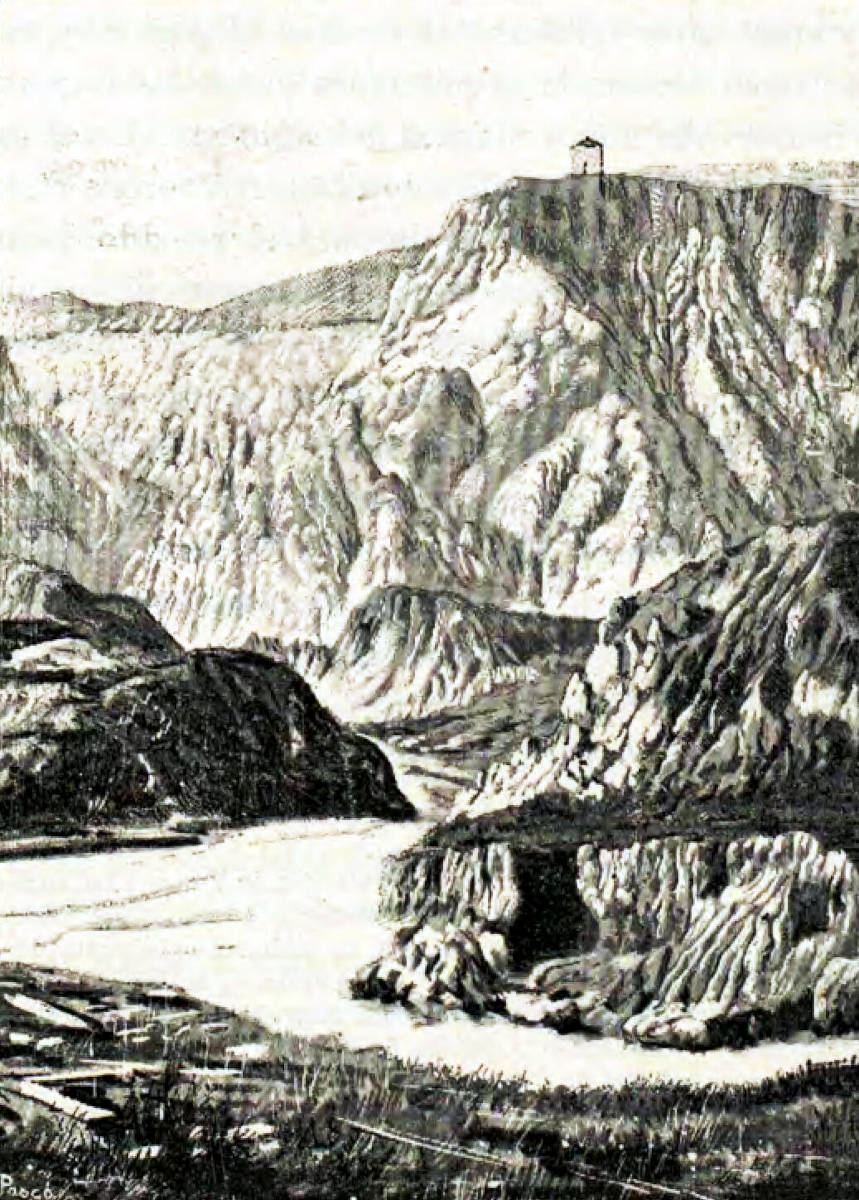
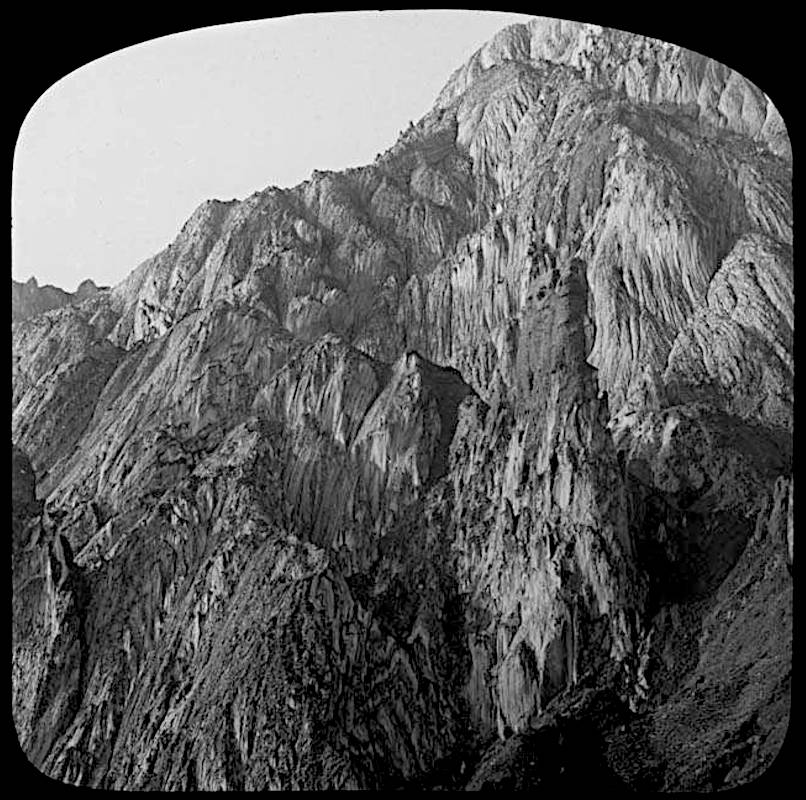
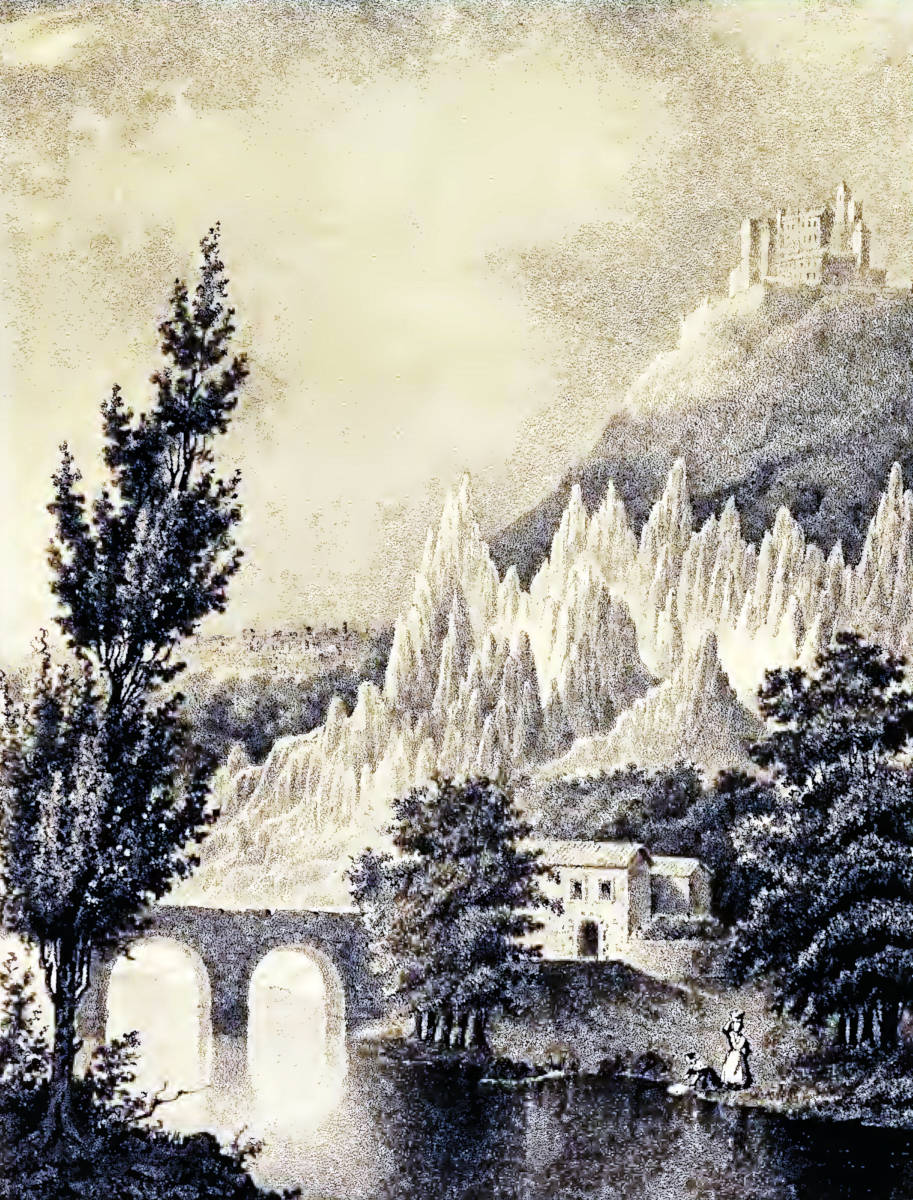
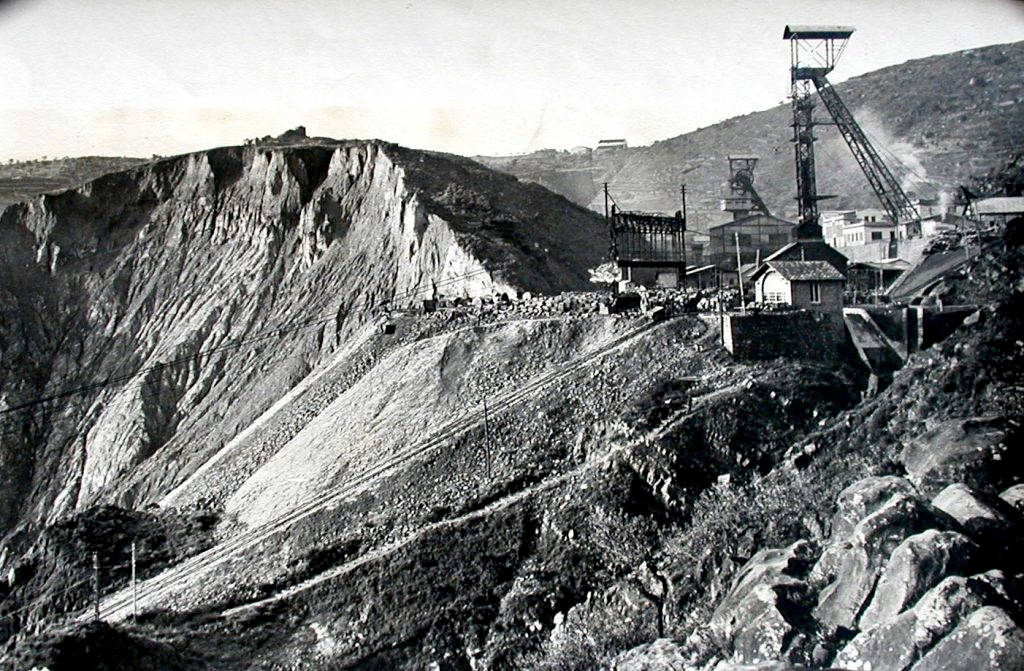
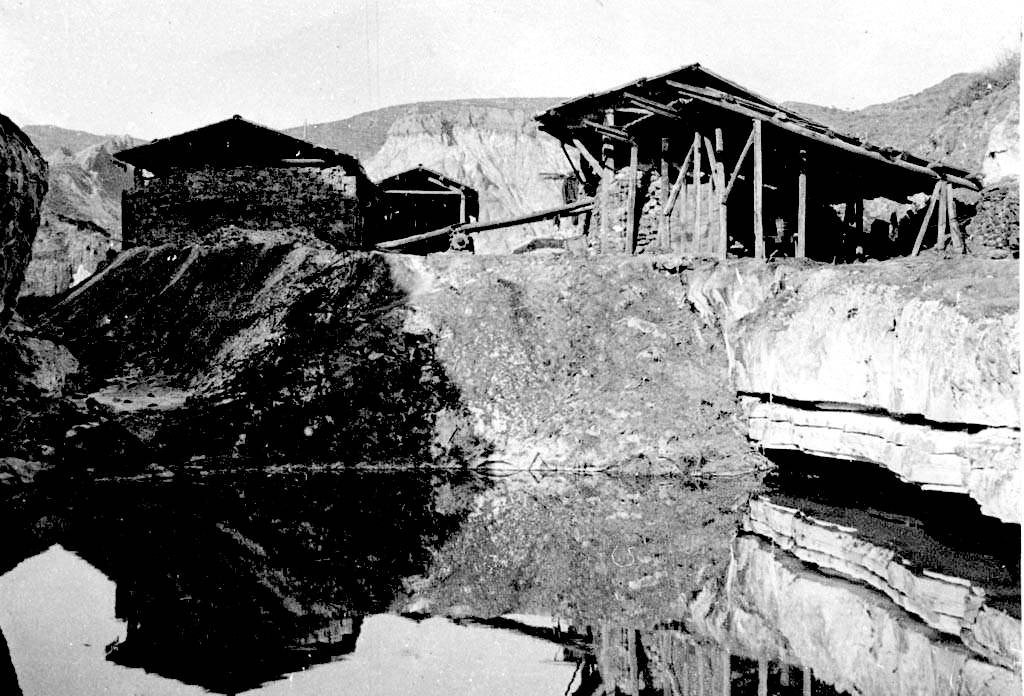
The Muntanya de Sal aka Món De Sal (Salt Mountain) is a unique natural phenomenon, a salt deposit on the surface in a not arid country. The site is partly artificial, a result of the Mina Nieves de Cardona, one of the world’s major potassium chloride mines. After the mine was closed it was opened as a show mine to the public under the name Parc Cultural de la Muntanya de Sal (Salt Mountain Cultural Park or Cultural Park of the Salt Mountain of Cardona). The tour shows the tunnels of the former mine, the mining technology and the salt formation. Quite spectacular are the speleothems which formed inside by the rainwater which dissolved huge amounts of salt and redeposited it inside the mine as stalactites, stalagmites, and all kinds of minerals.
There are different tours for different target audiences. The regular tour is called Visita guiada a la Muntanya de Sal and is held in Catalan and Spanish. But there are free audio guides in Catalan, Spanish, English and French. A special tour named GeoTok is organized by GeoTeam, a group of TikToker geologists. They try to make the Salt Mountain of Cardona the eighth wonder of the world. It’s also possible to buy a combi ticket with the visit of the castle or wine tasting underground.
The start of the tours is at the museum, located under the imposing headframe of the old Maria Teresa mineshaft. The museum presents the history of salt mining, the geology, mineralogy and the botany of the area. It’s possible to visit the mineshaft machine building Albert and see the shaft’s machinery designed and built by Alsthom, which is today called Alstom. In the basement is a photography exhibition. For the tour we recommend a light jacket and walking shoes. Arrive at least 30 minutes before starting time. Also, we strongly recommend using the online booking. Although it is not mandatory, the number of visitors per tour is limited, and it is quite likely that there will be no places on the next tour.
The salt is still mined in small amounts and sold as table salt by the company Sal de Cardona. For unknown reasons they have no contact data on their website, we guess the salt is sold in shops in the village and the shop “La Botigueta” on site.
 Search DuckDuckGo for "Muntanya de Sal"
 Google Earth Placemark
 OpenStreetMap
 Montaña de sal de Cardona
  Salt Mountain (visited: 27-JAN-2026)
 Index
Index Topics
 Hierarchical
 Countries
 Maps
Maps