Subterranea

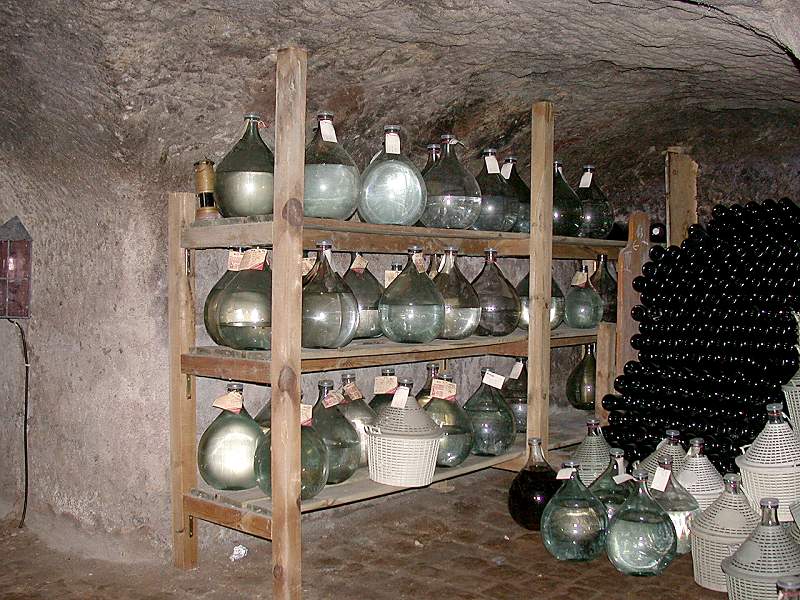

Subterranea originally comes from Latin, sub means under, terra is the earth, so subterra simply means underground, subterranea is anything which is underground. Subterranea is a geological or geographical term, a scientific term which refers to all underground cavities, unfortunately. It is officially defined as underground structures, both natural (such as caves) and human-made (such as cellars and mines). So why do we use another definition here? There is the term cave for natural cavities, there is the term mines for all the mining cavities. The problem is: there is no similar single term for all those cellars, tunnels, cisterns and catacombs. There are only multi-word descriptions, like for example "artificial cavities except mines" or "man-made structures".
Our problem was, we needed a rather short, easy to remember and fitting term which we could use for the layout of the website. Its part of the URL, so no special character allowed, and definitely no space. It’s used on headings and on buttons, for example to navigate between different categories. And actually the term subterranea for anything underground is not needed and thus rarely used. In German the word is unknown. In French, it’s souterrain and the term is the name of a very special type of underground structure which is also named Erdstall. And most people actually don’t know about it.
But terms change over time, 150 years ago any cavity was called a cave, which is today obviously wrong. And so we recycled this almost unused term, which in our opinion fits quite well, and redefined it. This is acceptable behaviour in science, it was done with the term cave. If it sticks only time will show.
There is no single umbrella term for artificial cavities. However, for several years now, there has been a powerful movement of interested parties who have begun to explore artificial cavities. Well-known examples are the (illegal) explorers of the catacombs of Paris and the Berlin Underworlds, which now even offer official guided tours through various categories of subterranea. This activity is known as Urbex (urban exploration) and is therefore initially focused on relatively young structures in cities. For this reason, there is a need to find a better term, and it currently seems that subterranea will become established.
Maybe you think there is no good reason to dig a hole, except of the search for valuable ores. But man used caves for many purposes since prehistory, for living, storing food and worshipping. And if the geology of an area did not provide natural caves, man often built artificial caves as he needed them. The first artificial or at least artificially enlarged caves were used in the Stone Age. Water pipes and even sewage pipes are known to have existed in pre-Christian times. Cave cities or cities with many cave dwellings have been in use many times over the last 2,000 years.
This chapter subterranea contains some explanations on man made underground structures. We have a name for each of them, but there is such a great number of different uses, we had to give it a structure. Topics like infrastructure, religion, and military are easy to understand and straight forward. In addition, there are a number of underground museums covering a wide variety of topics, including art museums. Structures whose purpose is unknown are grouped under the term "Enigmatic".
 Cave Houses
 Underground Buildings (visited: 23-SEP-2022)
 Index
Index Topics
 Hierarchical
 Countries
 Maps
Maps Search